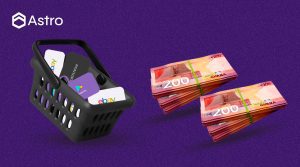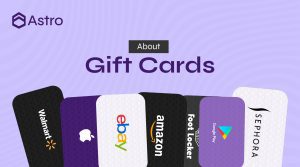
If someone you don’t fully know asks you to pay them with gift cards, it is almost certainly a gift card scam. Genuine customs offices, couriers, banks, employers, landlords and government agencies do not ask for fees, fines or payments in Apple, Steam, Razer Gold or any other gift cards.
Gift cards are popular with scammers because, once the code is shared, the value can be spent or sold within minutes and is very hard to trace or reverse. This guide explains the most common versions of the gift card payment scam seen in Nigeria and Ghana, the warning signs, and what to do if you have already sent card codes to someone.
Key points
- Real organisations don’t collect fees, fines, taxes or debts through gift cards. A request to “pay with gift cards” is the main red flag.
- Common versions include fake customs or delivery fees, romance partners in trouble, fake bosses or pastors, loan “processing fees” and prize or job offers.
- Scammers usually ask for a photo of the card or the code. Once they have it, they can drain the balance quickly.
- If you have already paid, contact the card issuer at once, keep all evidence and report it to the police or the cybercrime authority.
- Never resell or “help cash out” a card for a stranger. You may be passing on someone else’s stolen money.
What is a gift card payment scam?
In a gift card payment scam, someone persuades a person to buy gift cards, usually from a store or online, and then send them the card codes or photos of the cards. The scammer presents it as a normal payment: a fee, a fine, a favour or an investment. In reality, the moment the codes are shared, the money is gone.
This is different from selling a gift card you received as a genuine gift or payment. Gift cards themselves are not the problem. The problem is using them to pay someone you don’t know, for something you can’t verify, under pressure.
Scammers prefer gift cards because:
- The code is all they need. They don’t have to meet you or open a bank account in their own name.
- Balances can be spent or sold within minutes, often before the victim realises what happened.
- Card payments are usually not reversible the way some bank transfers can be disputed.
The most common gift card scams
1. The “customs fee” or delivery fee scam
A person receives a message saying a parcel, often a “gift” from an online friend, is being held at customs or by a courier. To release it, they must pay a clearance fee, insurance or a fine. The “agent” then asks for payment in gift cards because it is supposedly faster. No real customs service or courier collects fees this way.
2. The romance scam
Someone builds an online relationship over weeks or months, then suddenly needs help: a medical bill, a stuck flight, a frozen account or a business deal. They ask for gift cards because “it’s the only thing that works where I am”. Some of these scams later move into fake crypto investments, a pattern known as pig butchering. The guide on avoiding pig butchering scams explains how those relationships are built.
3. The fake boss, pastor or relative
A message arrives that appears to come from a manager, a church leader or a family member. They are “in a meeting” or “travelling” and need gift cards urgently, for a client, an event or an emergency. They promise to refund the money later. The account is often a new number or a copied profile picture.
4. The loan “processing fee”
A loan app or agent approves a loan but says a processing, insurance or activation fee must be paid first, and only in gift cards. Once the cards are sent, the loan never arrives, and the “agent” asks for another fee.
5. The prize, giveaway or job offer
Someone is told they have won a prize, been selected for a giveaway or landed a remote job. To claim it, they must pay a release fee or buy “equipment” with gift cards. Real giveaways state their eligibility, entry conditions and prizes up front, and they don’t ask winners to pay.
6. The fake tech support or “account locked” message
A pop-up, call or message claims that the person’s bank, email or phone has been hacked and must be fixed immediately. The fix involves buying gift cards to “secure” the account. No real support team works this way.
Warning signs of a gift card scam
- The payment must be in gift cards, often a specific brand such as Apple, Steam or Razer Gold.
- There is pressure to act now: a deadline, a threat, a crisis or a “last chance”.
- You are told to keep it secret from family, the bank or the store staff.
- They ask for a photo of the card and receipt, or for you to scratch off the PIN and read it out.
- They ask for more after the first payment: another fee, another card, another delay.
- You have never met them in person, or the contact came from a new number or account.
Any one of these signs is reason to stop.
Why the photo of the card is all a scammer needs
Many people think the physical card is what matters. It isn’t. The code or PIN printed on the card is what holds the value. A clear photo of the back of the card, with the PIN scratched off, is enough for someone to redeem or sell it. Once that happens, the card can show a zero balance even though you still hold it in your hand.
The guide on gift card PIN, code and serial numbers explains which number on a card holds the value, and the post on gift card draining covers how cards can be emptied before they are even used.
What to do if you already sent gift cards to a scammer
Act quickly. Recovery is not guaranteed, but the sooner you act, the better your chances.
- Stop paying. Don’t send another card, even if they promise a refund once you do.
- Contact the card issuer straight away. Apple, Steam, Razer Gold, Google Play and other brands have support channels for gift card fraud. Give them the card numbers and receipts. If the balance has not been spent yet, they may be able to freeze it.
- Keep all evidence. Save the receipts, card photos, chat screenshots, phone numbers, profile links and payment dates.
- Tell the store where you bought the cards. Some retailers can help if you contact them quickly.
- Report it. In Nigeria, report to the police and the Economic and Financial Crimes Commission (EFCC). In Ghana, report to the police and the Cyber Security Authority. If you bought the cards abroad, report it in that country too.
- Warn people close to you. If the scammer impersonated someone you know, tell that person so others aren’t targeted.
- Watch for recovery scams. People who claim they can “get your money back” for a fee are very often the same scammers, or new ones.
The other side: when a stranger asks you to sell a card for them
Gift card scams don’t end with the victim. The stolen codes need to be turned into cash somewhere, and scammers sometimes recruit ordinary people to do it. The offer often sounds harmless: “I’ll send you a card, sell it on your app and send me the money. Keep a small cut.”
Don’t do it. A card that came from a scam victim is stolen money, and the person who sold it is the one whose name, account and payout details are attached to the trade. Cards from scam victims are also often reported and blocked, which means the sale can fail.
Only sell gift cards that you received honestly and can explain: a present, a genuine payment from someone you know, or a card you bought yourself. If a client or employer wants to pay you in gift cards for work, be extra careful and confirm who they are first.
How to sell a genuine gift card safely
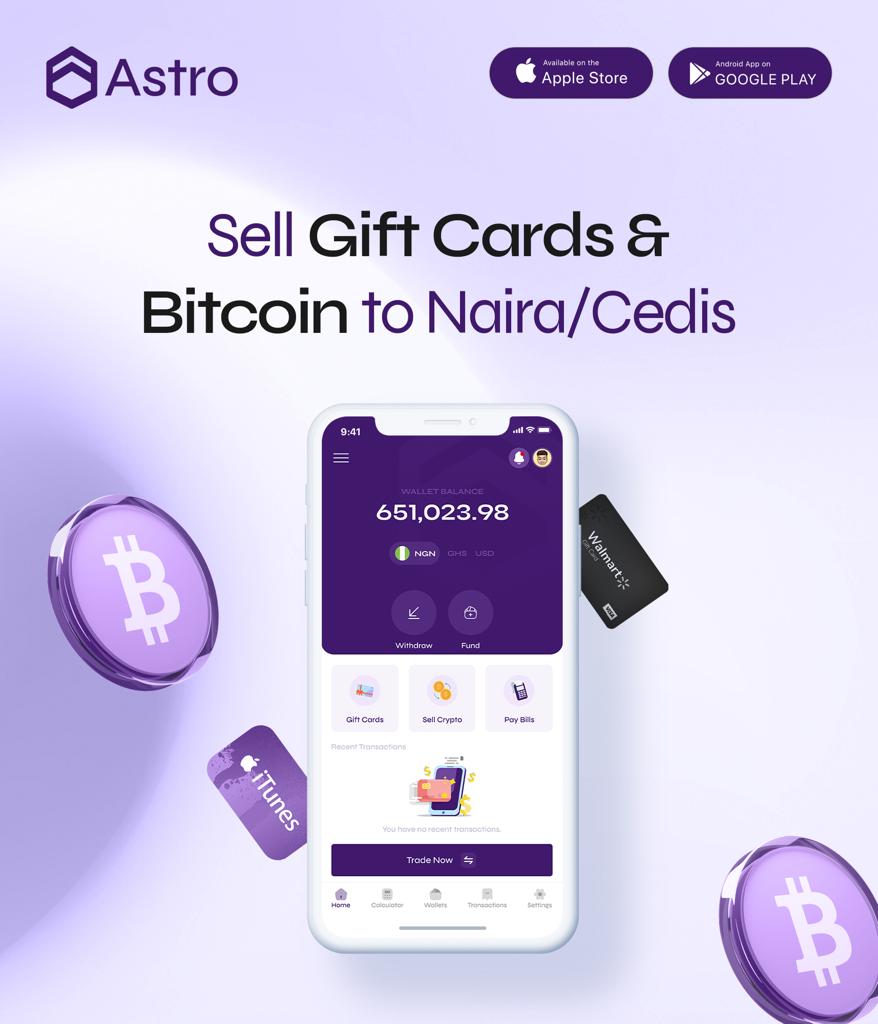
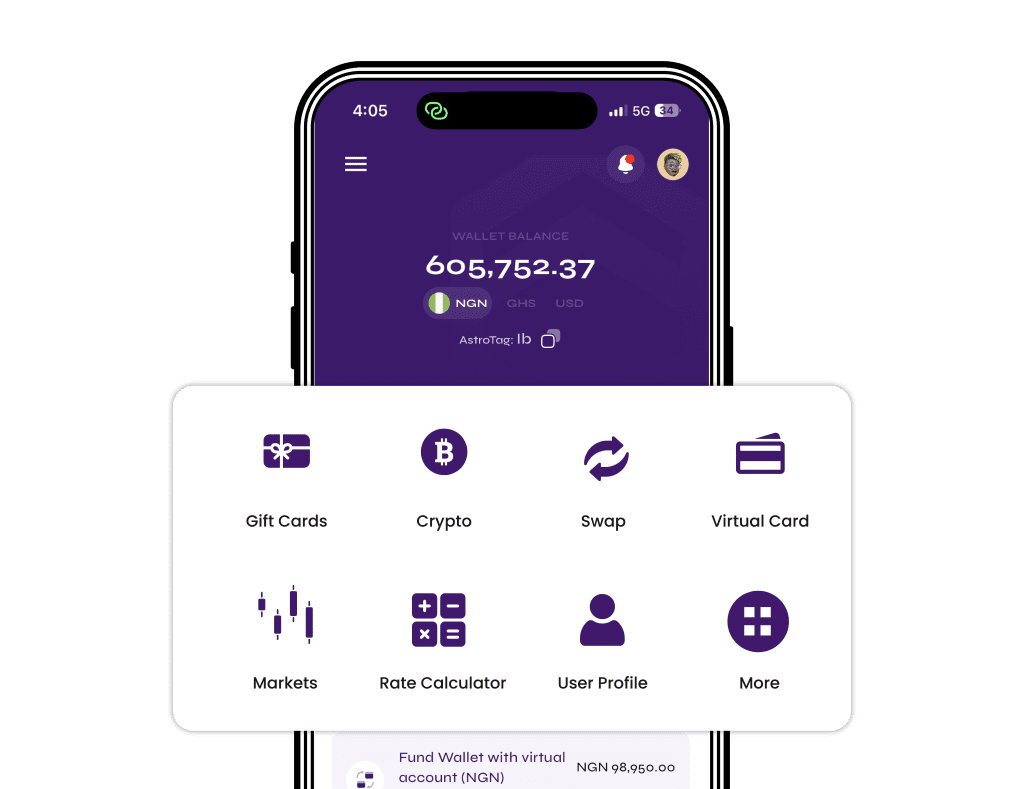
If you do have a legitimate card you no longer want, selling it through a trusted app keeps the process simple. On Astro, users in Nigeria are paid in naira and users in Ghana are paid in cedis, with Ghana withdrawals going to mobile money.
- Check the card’s brand and country before you sell, because rates depend on card type, country, value and whether there is a receipt. The guide on how gift card rates are set explains each factor.
- Check today’s rate on the live rates page or in the app before you submit. If the rate changes before you submit, the sale goes through at the new rate.
- Submit only inside the app. Never send card photos to someone on WhatsApp or Telegram who claims to be an Astro agent.
- Know that a submitted sale can’t be cancelled, so double-check the card details first.
Cards currently accepted on Astro include Apple, Steam, Razer Gold, Google Play, eBay, Nike, Sephora, Nordstrom and others. Check the rates page for the countries and values that are live before you sell.
How to protect yourself and your family
- Make one rule and share it: “Nobody legitimate asks for payment in gift cards.”
- Verify through another channel. If a “boss” or relative asks for cards, call them on a number you already have.
- Slow down. Scams depend on urgency. A real emergency can wait ten minutes for a phone call.
- Treat card codes like cash. Never post or send a photo of the back of a card to anyone you don’t trust.
For a wider look at fraud patterns in the region, see crypto scams in Nigeria and how to protect yourself.
Frequently asked questions
Why do scammers ask for gift cards instead of bank transfers?
Gift card codes can be used or sold within minutes, they don’t need a bank account in the scammer’s name, and they are hard to trace or reverse. That makes them attractive to fraudsters.
Does customs or a courier ever ask for payment in gift cards?
No. Genuine customs offices and courier companies don’t collect fees, duties or fines in gift cards. A request like this is a scam.
Can I get my money back after sending gift card codes to a scammer?
Sometimes, if you act quickly. Contact the card issuer with the card numbers and receipts straight away. If the balance hasn’t been used, they may be able to freeze it. Once it has been spent, recovery is unlikely.
Is it safe to send someone a photo of a gift card?
Only if you fully trust them. A clear photo of the code or PIN is enough for someone to use the card’s value.
Someone wants me to sell a gift card for them and send the money. Should I?
No. The card may come from a scam victim, and the trade will be linked to your account and payout details. Only sell cards you received honestly.
Will an Astro agent ever ask me to send gift cards on WhatsApp?
No. Gift card sales are submitted inside the Astro app. For help, use the in-app chat or email [email protected].
Where do I report a gift card scam in Nigeria or Ghana?
In Nigeria, report it to the police and the EFCC. In Ghana, report it to the police and the Cyber Security Authority. Also report it to the card issuer.
Can a scam card cause problems if I sell it?
Yes. Cards from scams are often reported and blocked, so the sale may fail, and the trade is tied to your details. Avoid cards you can’t explain.
How can I tell if a gift card offer is genuine?
Ask who is sending it, why, and whether you can confirm that through a channel you already trust. If you are being asked to pay money or cards to receive something, it is not genuine.
The simplest defence against a gift card scam is one rule: real organisations and real people in genuine trouble don’t ask for payment in gift cards. If you have a legitimate card to sell, download the Astro app, check the live rate, and sell it safely in naira or cedis.