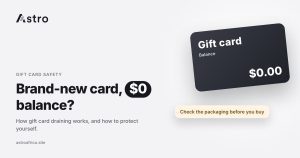
A brand-new gift card that shows a $0 balance soon after purchase has usually been “drained”: someone copied its code before it was sold, waited for the buyer to load it at the till, and spent the money first. It is a shop-level scam that happens before the card ever leaves the store, so the person who bought the card, and anyone they give it to, often only finds out when the card is checked or redeemed.
This guide explains how draining works, how to spot a tampered card, and what to do if a card you received is empty.
Key points
- Gift card draining means a scammer records a card’s code in the shop, then spends the balance as soon as a buyer activates it.
- Signs of tampering include a scratched or re-glued PIN area, a sticker over the barcode, torn or loose packaging, and a back that looks lifted.
- Card balance problems are handled by the retailer or brand that issued the card, so keep the purchase receipt.
- A card with no balance has nothing to sell. Check the balance before you submit a card for sale anywhere.
- On Astro, a card sale can’t be cancelled once it is submitted, so confirm the balance and details first.
What is gift card draining?
Gift card draining (sometimes called card tampering) is a type of fraud where criminals steal the value of a gift card that hasn’t been bought yet. The card sits on a rack in a supermarket, pharmacy or electronics shop. It has no money on it until a cashier activates it at the till, when the buyer pays.
The scammer gets the card’s number and PIN while it is on the rack, puts it back so it looks untouched, and waits. As soon as a real customer loads money onto it, the scammer spends the balance online. By the time the gift reaches the person it was meant for, the card shows $0 or much less than was paid.
Most draining happens in the United States and other countries where cards sit on open racks. People in Nigeria and Ghana are affected because many cards traded here are bought abroad and sent over as gifts or payment.
How scammers drain a gift card
The exact method varies, but most cases follow one of a few patterns.
1. Copying the code and resealing the card
The scammer takes cards from the rack, opens the packaging or peels back the cover, scratches off the PIN area, and records the card number and PIN. They then cover the PIN with a new scratch-off sticker or reseal the packaging and return the card to the shelf. To an ordinary shopper, it looks new.
2. Swapping the barcode
In a newer version, the scammer places a sticker with a different barcode over the real one. When the cashier scans the card, the payment loads onto a card the scammer controls, not the one in the buyer’s hand. The buyer leaves with a card that was never actually activated, so it shows nothing.
3. Swapping the card inside the packaging
Some cards come in cardboard sleeves. The scammer removes the real card, keeps it, and puts a different card or a dummy inside. The packaging barcode still activates the stolen card, which the scammer then uses.
4. Bots checking stolen numbers
Scammers use automated tools to check copied card numbers repeatedly. The moment a balance appears, it is spent, which is why a card can show $0 almost straight after it is bought.
Why draining rises around Black Friday and the holidays
November and December are the busiest gift card months. Racks are fuller, staff are rushed, and shoppers buy several cards at once without inspecting them. For Nigeria and Ghana, it is also when relatives abroad send cards as Christmas gifts, so more cards arrive that may have been drained before they left the shop.
How to spot a tampered gift card before buying
If you are the one buying the card, or you can ask the person sending it to you to check, these signs are worth looking for:
- PIN area already scratched, partly scratched, or covered with a sticker that looks different from the rest of the card.
- A second barcode sticker on top of the original, or a barcode that looks slightly raised, crooked or a different shade.
- Torn, loose or re-glued packaging, or a sleeve that opens too easily.
- A card number on the packaging that doesn’t match the card inside, where both are printed.
- Cards taken from the front of the rack. Some shoppers pick a card from further back, which is less likely to have been handled.
Safer habits when buying include getting cards from behind the counter where possible, buying digital e-codes directly from the brand’s own website or app, and keeping the receipt until the card has been checked and used. If you are not sure what the difference is between a physical card and an e-code, the guide to non-reloadable gift cards also covers how standard store cards work.
How to check a gift card balance safely
The safest way to confirm a card is genuine and loaded is to check the balance through the brand’s own official channel: its website, app or customer service line. Many brands print the balance-check address on the back of the card.
- Use the official site or app, not a balance checker from a search ad, social media post or WhatsApp message.
- Never type a card’s code into a site you don’t trust. A fake “balance checker” is one of the ways codes get stolen.
- For Apple cards, be careful: redeeming a card to check its value adds the balance to an account, which then can’t be sold. The guide on how to check the balance of an iTunes gift card explains the safer options.
- Some brands lock a card to the country it was bought in. If you are unsure, read how to tell which country an Apple gift card is from.
A good balance check doesn’t prove the card is safe: if a scammer has the code, they can still spend it later. Confirm the card is loaded, then act promptly.
What to do if a new gift card shows $0
If a card you just bought, or just received, shows no balance, act quickly. The steps below give you the best chance of getting the money back.
- Stop using or sharing the code. Don’t send pictures of it to anyone who offers to “fix” or “unlock” it.
- Find the receipt. The buyer’s receipt shows where and when the card was bought and activated. If the card was sent to you from abroad, ask the sender for the receipt.
- Contact the brand or retailer that issued the card. Gift card balance disputes are handled by the card’s issuer, not by trading apps. Use the support details on the brand’s official website.
- Report it to the shop where it was bought. The sender can tell the store that the card appears to have been tampered with, so the rack can be checked.
- Keep records. Save the card, its packaging, the receipt and screenshots of the balance check.
There is no guarantee the brand will refund a drained card, which is why checking a card early, while the receipt is fresh, matters.
Why a drained card can’t be sold
A gift card sale pays for the balance on the card. A drained card has had that balance spent, so there is nothing left to sell, however new it looks.
That is also why a “brand-new” card offered cheaply by a stranger is a warning sign: it may already be drained, or bought with stolen money and later cancelled. The guide on the risks of trading gift cards on WhatsApp groups covers this in more detail, and how to avoid gift card chargebacks explains what happens when a card bought with stolen money is reversed.
How to protect yourself before selling a gift card
If you have a gift card you want to turn into naira or cedis, a few habits reduce the chance of an unpleasant surprise:
- Get cards only from people you know and trust, and ask them to keep the receipt.
- Check the balance through the official channel before you submit the card for sale.
- Sell the card soon after receiving it. The longer an exposed code sits unused, the longer a scammer has to spend it.
- Don’t scratch the PIN area roughly. Damaged digits can make a card hard to read. See what happens when you scratch off a gift card code by mistake.
- Never share the code in chats or with “buyers” you don’t know. Once someone has the code, they can use it.
No method removes fraud risk completely, but these steps make a loss much less likely.
Selling a gift card on Astro
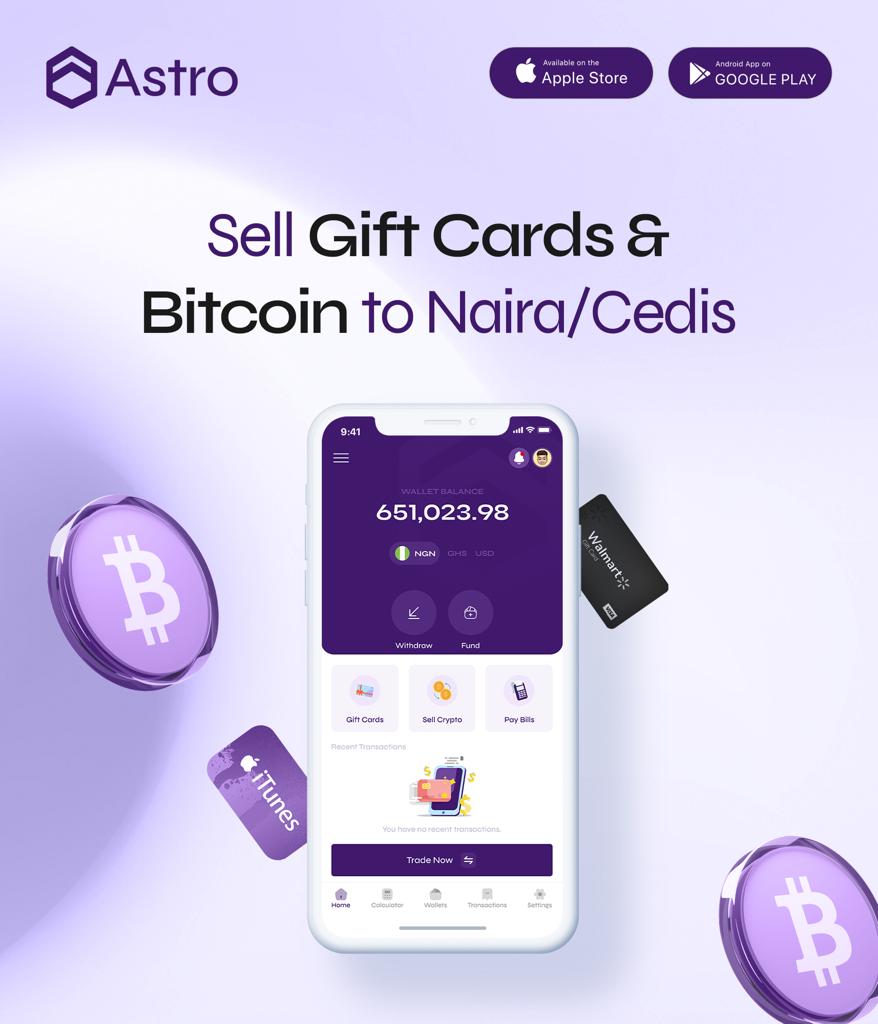
Astro lets users in Nigeria sell supported gift cards for naira, and users in Ghana sell them for cedis. Cards with live rates include Apple, Steam, Razer Gold, Google Play, eBay, Nike, Sephora, Nordstrom, Foot Locker, Macy’s, Xbox, Roblox, Walmart, Target, Coach, Saks and Finish Line. Rates depend on the card type, country, denomination and whether there is a receipt, so check today’s live rates before you sell.
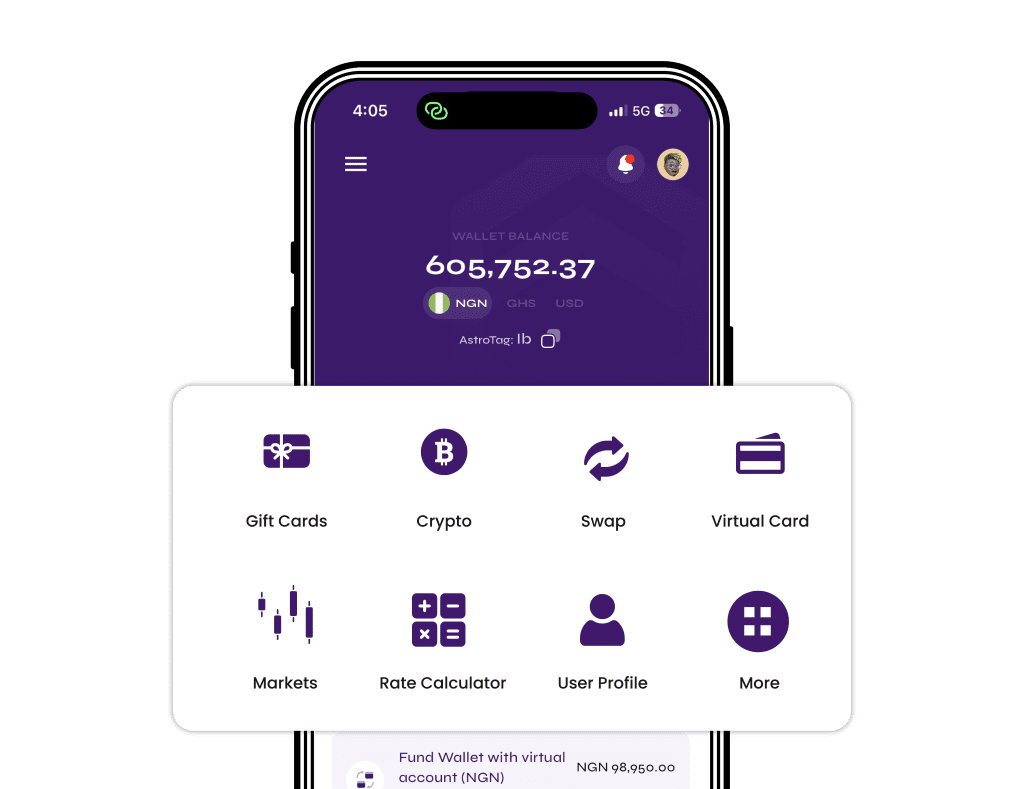
- Open the Astro app and choose to sell a gift card.
- Pick the card brand, country and amount.
- Upload a clear picture of the card or enter the e-code, and add the receipt if you have one.
- Review the rate and the payout amount, then submit.
A few things to know before you submit:
- A gift card sale can’t be cancelled once it is submitted, so confirm the balance and details first.
- If the rate changes before you submit, the sale goes through at the new rate shown.
- In Nigeria, naira can be withdrawn to a Nigerian bank account, including OPay and PalmPay.
- In Ghana, cedis are withdrawn to mobile money only (MTN MoMo, Telecel Cash, formerly Vodafone Cash, or AirtelTigo Money). Ghana withdrawals are checked by the team before payment, so timing can vary.
- Astro does not sell gift cards, so it never sends gift cards to customers.
For a full walkthrough of selling a card, see how to convert a gift card to money in Nigeria.
Frequently asked questions
Why does my new gift card show a $0 balance?
The most common reason is draining: someone copied the card’s code in the shop and spent the balance as soon as it was activated. It can also happen if the card was never activated properly at the till, for example because of a swapped barcode.
How can I tell if a gift card has been tampered with?
Look for a scratched or re-covered PIN area, a sticker over the barcode, torn or re-glued packaging, and card numbers that don’t match the packaging. Any of these is a reason not to buy that card.
Can I get my money back for a drained gift card?
Sometimes. Contact the brand that issued the card with the receipt and the card details. Refunds are decided by the issuer, and some refuse, so there is no guarantee.
Can I sell a gift card with a $0 balance?
No. A gift card sale pays for the value on the card. If the balance has been spent, there is nothing left to sell.
Is it safe to use an online gift card balance checker?
Only use the brand’s official website or app. Fake balance checkers are one of the ways scammers collect card codes.
Are e-codes safer than physical cards?
E-codes bought directly from the brand’s official site or app avoid shop-rack tampering, though they can still be stolen if the code is shared. Keep any code private until you use or sell it.
Can I cancel a gift card sale on Astro after submitting it?
No. Once a gift card sale is submitted, it can’t be cancelled. Check the card balance, type, country and amount before you submit.
Where can I see today’s gift card rates?
Rates change with the market and depend on the card type, country and amount. See today’s live rates in naira and cedis.
A $0 balance on a new gift card is usually a sign it was drained before it left the shop. Inspect cards before buying, check balances through official channels, and sell cards soon after you receive them. When you have a genuine, loaded card ready to turn into naira or cedis, download the Astro app and check the rate before you sell.